Barcodes play an important role in product identification, inventory management, and retail operations. They allow businesses to retrieve product information quickly, reduce manual data entry, and improve accuracy during everyday transactions. However, not all barcodes serve the same purpose. Two commonly used formats, EAN-13 and Code 128, have different characteristics that make them suitable for different applications. Choosing the right format with reliable barcode label software can help businesses create labels that meet their operational needs and work correctly with their scanning systems.
Before selecting a barcode, it is important to understand where the label will be used, what information it needs to represent, and which scanners or systems must read it. The right choice depends on these practical requirements rather than appearance alone.
1. What Is an EAN-13 Barcode?
EAN-13 is a standardized barcode format widely used for retail products. It contains 13 digits and is designed to support product identification within retail and supply chain systems. Customers often see EAN-13 barcodes on packaged foods, household goods, personal care products, and other consumer items.
One major advantage of EAN-13 is its broad acceptance in retail environments. Businesses selling products through retailers or distributors may need globally recognized product identifiers, such as GTINs represented in EAN-13 format, depending on the market and sales channel.
However, EAN-13 is intended for numeric identification and follows specific structural rules. Businesses cannot simply enter any number and assume it is a valid retail product identifier. They should ensure that their numbers are assigned appropriately and that the barcode includes the required check digit.
2. Understanding Code 128
Code 128 is a high-density barcode format capable of encoding letters, numbers, and various supported control characters. This flexibility makes it useful for internal tracking, warehouse management, shipping labels, and inventory identification.
For example, a warehouse may use a product code such as a combination of letters and numbers to identify a particular item or storage location. Code 128 can represent these types of identifiers without requiring a separate barcode format for each category.
Another benefit is its ability to encode data efficiently. Depending on the characters used, Code 128 can produce relatively compact symbols. Nevertheless, the final barcode width depends on the encoded content, so longer identifiers generally require more space.
Code 128 is widely used for operational identification, but it does not automatically replace the standardized product identification systems required by many retailers.
3. Key Differences Between EAN-13 and Code 128
The most important difference is the type of information each format supports. EAN-13 contains 13 numeric digits and is commonly associated with retail product identification. Code 128 supports a broader range of characters and is often used for internal business processes.
Their applications also differ. EAN-13 is a practical choice when a product needs a recognized retail barcode. Code 128 may be better for inventory numbers, shipping references, asset tracking, and warehouse labels.
Label dimensions should also influence the decision. EAN-13 has a standardized structure, while Code 128 changes in width according to the encoded data. Both require suitable sizing, adequate contrast, and sufficient clear space to support reliable scanning.
4. How to Choose the Right Barcode
Start by identifying the purpose of the label. If you are preparing consumer products for retail sale, check the barcode requirements of your retailers, distributors, and target markets. EAN-13 may be appropriate when a compatible retail product identifier is required.
For internal inventory management, warehouse shelves, or shipping operations, Code 128 may provide greater flexibility. It can accommodate alphanumeric identifiers that reflect your existing stock control system.
Also consider your scanners, label printers, and software. Test sample labels using the equipment your employees will use in practice. This helps confirm that the barcode can be read accurately under normal working conditions.
5. The Role of Barcode Label Software
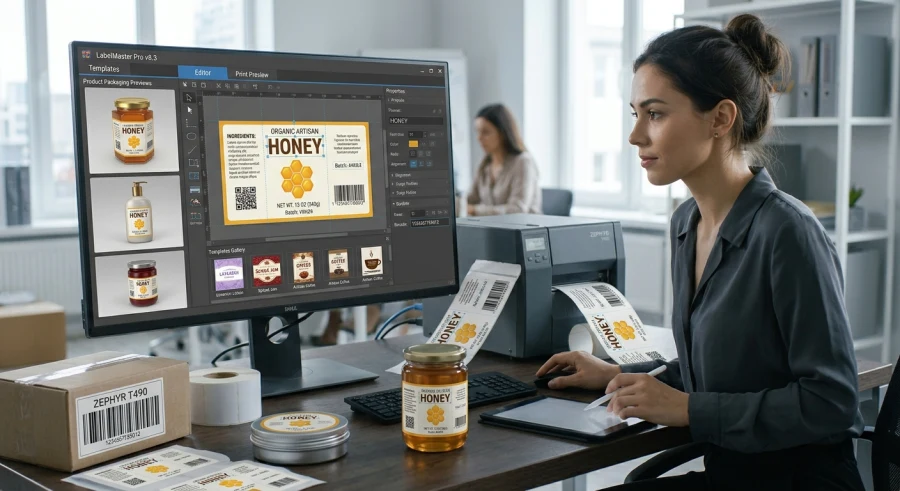
The right software makes it easier to generate the selected barcode format, arrange label elements, and print consistent results. Useful features include support for multiple barcode types, customizable templates, spreadsheet imports, batch printing, and control over label dimensions.
Before choosing a solution, confirm that it supports your required barcode formats and can connect with your existing workflow. Accurate data entry is essential because a well-printed barcode cannot correct an incorrect product identifier.
Conclusion
EAN-13 and Code 128 serve different but valuable purposes. EAN-13 is commonly suited to standardized retail product identification, while Code 128 offers flexibility for warehouse, shipping, and internal tracking applications. By understanding their differences and considering your scanning systems, data requirements, and labeling workflow, you can select the barcode format that best supports your business operations.
#Barcodes #ProductLabels #Retail