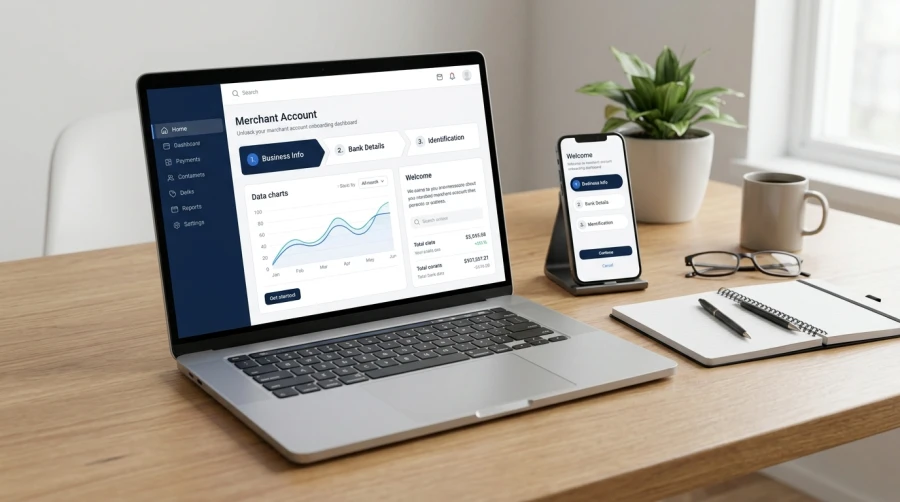
For high-risk businesses operating in the European Union, choosing the right merchant account is an important step toward building a reliable payment system. Companies in industries such as online gaming, digital services, travel, subscription-based services, and certain financial activities may face additional scrutiny from payment providers. These businesses often need to demonstrate financial stability, transparent operations, and effective risk management before receiving approval for payment processing.
An EU merchant account can help eligible businesses accept customer payments, manage transactions, and support international growth. However, approval depends on several factors, including the business model, ownership structure, transaction history, and regulatory obligations. Understanding how high-risk merchant accounts work is essential before selecting a suitable payment solution. Resources such as https://sharpay.net/blog/high-risk-merchant-accounts-how-to-open-and-why-you-need-one/ guide to high-risk merchant accounts can also help businesses understand the application process and the reasons specialized payment arrangements may be necessary.
What Makes a Business High-Risk?
Payment providers generally assess risk by examining the likelihood of chargebacks, fraud, regulatory issues, and financial losses. A company may be classified as high-risk because it operates in a regulated industry, sells products with a high refund rate, serves customers across multiple countries, or relies on recurring payments.
A newly established company may also receive additional scrutiny because it has limited transaction history. Similarly, businesses with complex ownership structures or customers in several jurisdictions may need to provide more documentation during onboarding.
Being classified as high-risk does not automatically prevent a company from obtaining a merchant account. Instead, it means the provider may apply enhanced due diligence, additional monitoring, or specific contractual conditions.
Key Requirements for EU Merchant Accounts
1. Business Registration and Legal Documentation
Businesses typically need to provide valid company registration documents, a registered business address, and information about their directors and beneficial owners. Depending on the jurisdiction and business activity, additional licenses or authorizations may be required.
Payment providers must establish that the company operates legally and that its ownership structure is transparent. Incomplete or inconsistent documentation can delay the approval process.
2. Know Your Customer and Anti-Money Laundering Checks
Know Your Customer (KYC) and Anti-Money Laundering (AML) procedures are important parts of payment onboarding. Companies may need to submit identification documents for directors and beneficial owners, explain their business activities, and provide information about the source of funds.
The exact checks depend on the provider, the company's risk profile, and applicable European and national regulations. Businesses should prepare accurate information and respond promptly to requests for clarification.
3. Financial Records and Transaction History
Financial transparency helps payment providers evaluate a company's ability to manage transactions and potential liabilities. Applicants may be asked to provide bank statements, financial reports, processing history, expected monthly turnover, and average transaction values.
Established businesses should be prepared to explain previous chargebacks, refunds, or unusual changes in sales volume. New businesses can strengthen their applications with realistic financial forecasts and a clear operating plan.
4. Fraud Prevention and Chargeback Management
High-risk merchants should demonstrate that they have practical procedures for identifying suspicious activity and resolving customer disputes. Common measures include transaction monitoring, identity verification where appropriate, secure payment authentication, clear refund policies, and responsive customer support.
A transparent website with accurate pricing, accessible terms and conditions, and clear delivery or cancellation information can also reduce misunderstandings and disputes.
5. Pricing, Reserves, and Contractual Conditions
High-risk merchant accounts may involve higher processing fees, rolling reserves, transaction limits, or longer settlement periods. These conditions depend on the provider's assessment of the business and should be reviewed carefully before signing an agreement.
Companies should examine all fees, reserve release conditions, settlement schedules, and termination clauses to understand the total cost of payment acceptance.
How Can Businesses Improve Approval Chances?
Preparation is the foundation of a successful application. Businesses should organize their legal and financial documents, describe their products and target markets accurately, publish transparent website policies, and establish clear procedures for refunds and customer complaints.
It is also important to choose a payment provider that understands the company's industry and can support its expected transaction volume and geographic reach.
Conclusion
Obtaining an EU merchant account for a high-risk business requires careful preparation, regulatory awareness, and effective risk management. By maintaining accurate documentation, demonstrating financial transparency, and implementing reliable fraud prevention procedures, businesses can improve their readiness for the application process. Comparing contractual terms and selecting an appropriate payment partner can then help establish a more stable foundation for long-term growth.
#GamblingPayments #PaymentCompliance #Fintech