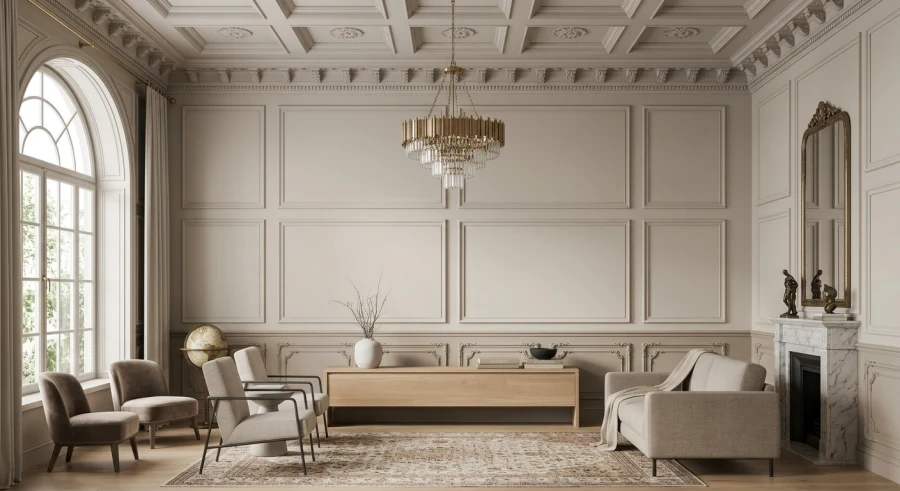
Decorative molding can transform an ordinary room into a stylish, well-coordinated interior. Whether used to create elegant wall panels, frame artwork, or add detail around ceilings, molding introduces depth and architectural character. However, achieving a beautiful result involves more than choosing an attractive profile. The molding should complement the wall color, furniture, flooring, and overall decorating style to create a balanced and harmonious appearance.
When selecting polyurethane molding, homeowners can explore a wide range of decorative possibilities, from simple contemporary lines to intricate traditional designs. Its lightweight construction and suitability for painted finishes make it a practical option for many interior projects. By coordinating the molding with the room's existing colors and furnishings, you can create a cohesive design that feels intentional rather than overcrowded.
Choose Between Matching and Contrasting Colors
One of the easiest ways to coordinate decorative molding with a wall is to paint both in the same color. This approach creates a subtle, sophisticated effect in which the molding adds texture and dimension without becoming the dominant feature. It works particularly well in minimalist living rooms, modern bedrooms, and interiors with neutral color schemes.
White, cream, beige, and soft gray are versatile choices for this tone-on-tone approach. Even when the colors match, natural light creates gentle shadows around the molding, allowing the decorative details to remain visible.
Alternatively, contrasting colors can make wall panels more noticeable. White molding against a deep green, navy blue, or charcoal wall creates a distinctive architectural effect. This approach is particularly effective for accent walls and formal living spaces.
The key is to maintain balance. If the wall color is already bold, consider using a simple molding profile to prevent the design from becoming visually overwhelming.
Coordinate Molding with Furniture
Furniture plays an important role in determining the most suitable molding style. In a traditional living room with wooden furniture, upholstered seating, and classic accessories, decorative profiles with gentle curves can complement the existing furnishings.
Modern furniture, characterized by clean lines and understated shapes, generally works better with simple molding. Flat or minimally detailed profiles can introduce architectural interest without competing with streamlined sofas, glass tables, or contemporary lighting.
Consider the placement of furniture when planning wall panels. For example, molding behind a sofa should relate to the sofa's width and height. In a bedroom, a symmetrical panel arrangement behind the headboard can create a visually balanced focal point.
Avoid positioning decorative frames where they appear awkwardly interrupted by large furniture pieces. Planning the layout around the room's actual furnishings helps the finished design feel natural.
Consider the Room's Overall Color Palette
A coordinated interior usually relies on a limited selection of complementary colors. Before choosing molding paint, identify the dominant shades in the room, including those found in the walls, curtains, rugs, flooring, and furniture.
Warm interiors with beige upholstery, wooden floors, and cream-colored walls often benefit from molding in ivory, warm white, or a matching neutral shade. Cooler palettes featuring gray furniture and blue accents may look better with crisp white or soft gray molding.
You can also use molding to connect different elements of the room. For example, matching the trim color to a nearby door frame or skirting board creates continuity, while a carefully selected contrasting shade can emphasize an accent wall.
Match the Profile to Your Interior Style
Color coordination is only part of the process. The molding profile should also suit the room's architectural character.
Traditional interiors often feature detailed profiles, symmetrical rectangular panels, and decorative ceiling trim. Contemporary spaces generally benefit from geometric layouts and restrained designs.
In smaller rooms, narrow molding can maintain a light, open appearance. Larger spaces with high ceilings can accommodate wider profiles and more elaborate details. Choosing proportions that suit the room helps prevent the molding from overpowering the furniture or architectural features.
Use Lighting to Enhance Decorative Details
Lighting can influence how molding colors and profiles appear throughout the day. Natural light highlights raised edges and creates subtle shadows, while wall sconces or ceiling lighting can emphasize decorative panels in the evening.
Before finalizing your paint choice, examine samples under different lighting conditions. A color that looks neutral during daylight may appear warmer or cooler under artificial lighting.
Final Thoughts
Matching decorative molding with wall color and furniture requires attention to color, proportion, texture, and overall style. Whether you prefer subtle tone-on-tone panels or bold contrasting frames, the goal is to create a balanced interior where every element works together. With thoughtful planning and a suitable molding profile, you can add architectural elegance while maintaining a cohesive, welcoming atmosphere.
#PanelMolding #DecorativeWallMolding